






Engagement Ring Settings Guide: How to Choose the Perfect Style
Shopping for an engagement ring is one of the most exciting milestones in your life, but let’s be honest—it can get overwhelming fast. Between 4Cs, carat sizes, and metal types, you’ve probably stumbled across terms like Solitaire, Halo, and Pavé and wondered: What on earth is a ring setting, and which one is right for my partner?
Here’s the deal: while the diamond usually gets all the spotlight, the ring setting is the unsung hero. It holds the diamond securely in place, dictates the overall vibe of the ring, determines how much the stone sparkles, and even affects how comfortable it is for daily wear.
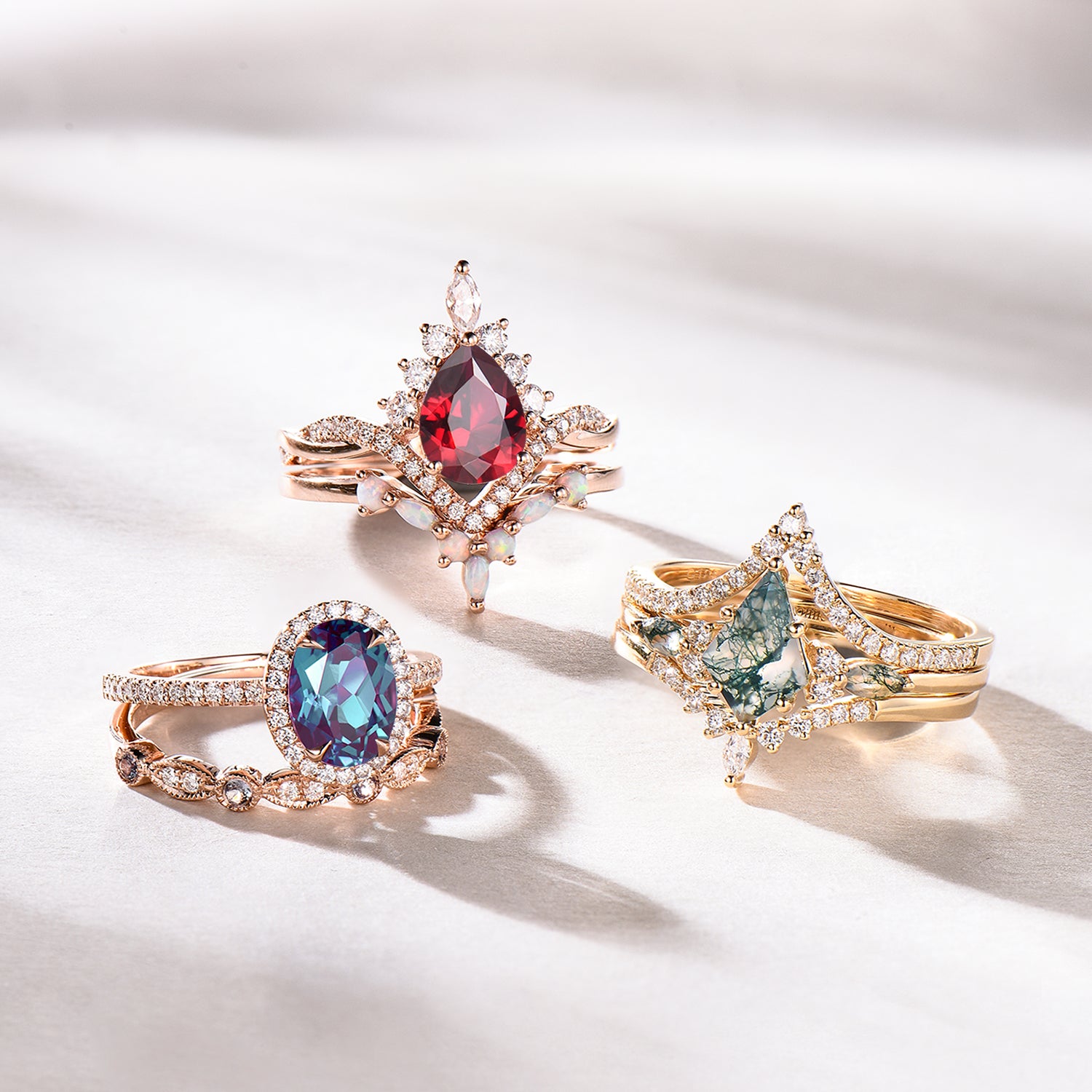
Whether you’re planning a surprise proposal or shopping together as a couple, this guide breaks down the 8 most popular engagement ring settings, their pros and cons, and how to choose the perfect one for your budget and lifestyle.
What Is a Ring Setting (and Why Does It Matter)?
In jewelry design, the ring setting (also called the head or mounting) refers to the piece of metal that holds the main gemstone in place, as well as the overall style of the band.
Choosing the right setting isn't just about aesthetics; it impacts three key factors:
-
Diamond Security: How well protected is the center stone from everyday bumps and scratches?
-
Sparkle & Light Performance: How much light can pass through the diamond to create that signature brilliance?
-
Practicality: Will the setting snag on clothes, pull on sweaters, or fit easily underneath gloves?
The 7 Most Popular Engagement Ring Settings Explained
1. Solitaire Setting: The Timeless Classic
The Solitaire setting features a single, uninterrupted diamond held in place by metal prongs (usually 4 or 6). There are no side stones or accent diamonds—just pure, understated elegance.
-
Why People Love It: It places 100% of the focus on your center diamond and allows maximum light entry for incredible sparkle. Plus, it never goes out of style.
-
Things to Consider: Because the stone sits higher, high-set prongs can occasionally snag on delicate fabrics or gloves.
-
Best For: Purists who love timeless, classic design.

2. Tulip Setting: Floral Elegance & Secret Detail
The Tulip setting is a romantic variation of the solitaire or cathedral setting. Instead of standard straight prongs, the metal prongs are sculpted into delicate, curved petals that resemble a blooming tulip flower holding the center stone.
-
Why People Love It: From the side profile, it offers a stunning artistic detail that feels custom and organic, adding soft, feminine vintage charm without overwhelming the diamond.
-
Things to Consider: The detailed petal curves can accumulate lotion and soap buildup slightly faster, requiring gentle regular cleaning.
-
Best For: Hopeless romantics, nature lovers, and anyone who appreciates hidden artistic details on the side profile.

3. Halo Setting: Maximum Sparkle & Extra Size
The Halo setting features a center gemstone completely encircled by a "halo" of smaller accent diamonds. Double halos (two rings of smaller stones) are also popular for extra drama.
-
Why People Love It: It creates the illusion of a significantly larger center stone! A 1-carat diamond in a halo setting can easily look like a 1.5-carat or 2-carat ring at a fraction of the price.
-
Things to Consider: The small accent stones require gentle cleaning to keep their shine and should be checked periodically by a jeweler.
-
Best For: Anyone looking to maximize brilliance and visual size on a budget.

4. Pavé Setting: Continuous Glamour
Pronounced "pah-vay" (from the French word for "paved"), this style features tiny diamonds set closely along the band, creating the look of a solid surface of sparkle.
-
Why People Love It: It adds subtle, elegant shimmering detail without distracting from the main diamond.
-
Things to Consider: Pavé bands are harder to resize later on. If you’re unsure of your partner’s ring size, keep this in mind!
-
Best For: Partners who love an extra touch of vintage charm and sparkle.
-

5. Bezel Setting: Sleek, Modern & Ultra-Secure
Instead of metal prongs, a Bezel setting encases the center stone in a thin custom metal rim that wraps partially or completely around the outer edge of the gem.
-
Why People Love It: It’s the most durable setting available. There are no prongs to snag on clothes or come loose over time.
-
Things to Consider: A full bezel covers the edges of the stone, which slightly reduces light entering from the sides.
-
Best For: Active individuals, healthcare professionals, athletes, or lovers of modern architectural style.

6. Channel Setting: Smooth & Protective Accent Stones
In a Channel setting, small accent diamonds are set flush inside a smooth metal groove along the band, trapped securely between two parallel walls of precious metal.
-
Why People Love It: Because the stones are set inside a channel, the surface remains completely smooth, offering total protection against snagging.
-
Things to Consider: Dirt can accumulate inside the metal channel over time, requiring regular ultrasonic cleaning.
-
Best For: Daily, high-wear lifestyle durability.

7. Cathedral Setting: Regal Architectural Drama
A Cathedral setting uses graceful arches of metal—resembling the vaulted ceilings of historic cathedrals—to lift the center diamond high above the band.
-
Why People Love It: It makes the center diamond appear prominent, noble, and visually striking from every side angle.
-
Things to Consider: The elevated profile means you’ll need to be slightly more mindful during hands-on activities.
-
Best For: Anyone who loves sophisticated, high-profile jewelry design.

How to Choose the Right Setting: 4 Key Buying Tips
-
Match Their Daily Lifestyle: If your partner works with their hands, wears medical gloves, or loves outdoor adventures, prioritize low-profile or snag-free settings like Bezel or Channel.
-
Factor in Wedding Band Compatibility: Some high-set rings (like Cathedral or Tulip) allow a straight wedding band to sit completely flush underneath. Lower-set rings may require a contoured or curved wedding band.
-
Optimize Your Budget: If you want the look of a big diamond without paying big-carat prices, choose a Halo setting or a thinner Pavé band to boost visual impact.
-
Select the Right Metal Tone: Platinum and 18K White Gold enhance white diamonds, while 18K Yellow Gold and Rose Gold add warmth and vintage charm to floral and classic settings like the Tulip or Solitaire.
Frequently Asked Questions (FAQ)
4-Prong vs. 6-Prong Solitaire: Which is better?
A 4-prong setting shows off more of the diamond's shape and lets in maximum light. A 6-prong setting (often called a Tiffany-style setting) is slightly more secure and makes round brilliant diamonds appear rounder and more symmetrical.
Is a Tulip setting secure for everyday wear?
Yes! Despite its delicate floral appearance, a well-crafted Tulip setting uses solid metal petals as functional prongs, offering exceptional strength while keeping the center gem elevated and protected.
Can I buy a ring setting first and pick the diamond later?
Yes! Many couples select their preferred setting style first and then work with a jeweler to source a loose diamond that fits both the setting's dimensions and their budget.
Ready to Find the Ring of Her Dreams?
Explore our handcrafted collection of conflict-free engagement rings, or speak with our bridal design experts to create a custom setting tailored just for you.


