






The Ultimate Guide: How to Choose the Right Engagement Ring Metal for Your Skin Tone
Shopping for an engagement ring is one of life’s most memorable adventures. You’ve likely spent hours admiring diamond cuts, comparing carat weights, and debating ring settings. But there’s one critical detail that often gets overlooked until the final moment: Which metal color will look best on your hand?
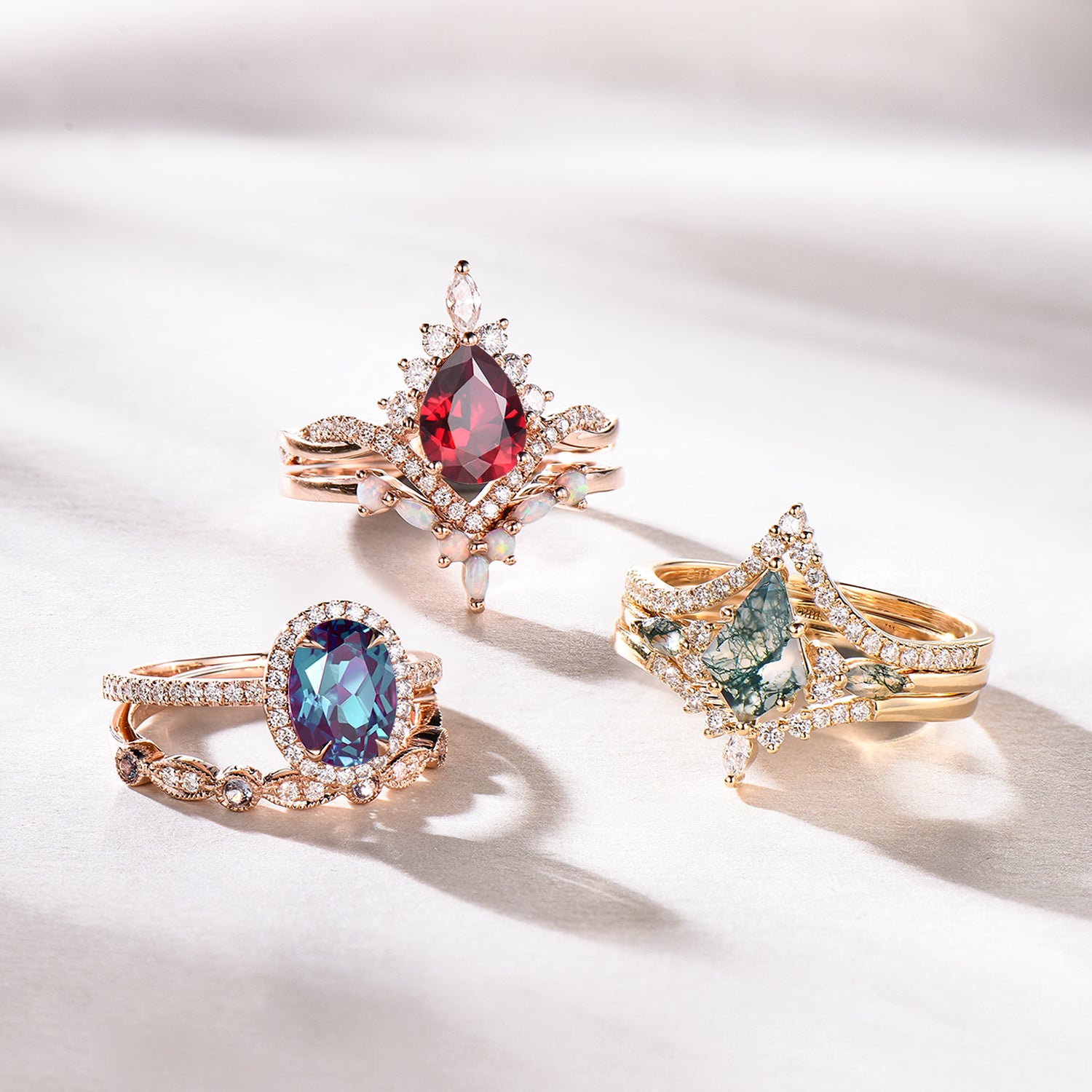
Whether you're leaning toward classic yellow gold, romantic rose gold, crisp white gold, or durable platinum, the precious metal you choose forms the backdrop for your center gem. More importantly, it sits directly against your skin every single day.
Selecting a metal hue that complements your skin’s natural undertone will instantly brighten your hand and make your ring pop. Choose the wrong tone, however, and the metal can look washed out or make your skin appear dull.
In this ultimate pillar guide, we’ll walk you through a quick 30-second undertone test, match your skin tone with its ideal precious metals, and help you select a ring you’ll adore forever.

Quick Answer: Which Metal Suits Your Skin Tone?
In a hurry? Here is a quick cheat sheet based on color theory and jewelry styling principles:
| Skin Undertone | Physical Characteristics | Most Complementary Metals | Overall Effect |
| Cool Undertone | Pink, red, or bluish hue; burns easily in sun | Platinum, White Gold, Rose Gold | Crisp, radiant contrast; fresh and modern |
| Warm Undertone | Golden, peach, or yellow hue; tans easily | Yellow Gold, Rose Gold | Rich, glowing warmth; timeless and organic |
| Neutral Undertone | Balanced mix of warm and cool notes | All Metals (Yellow, Rose, White, Platinum) | Flawless versatility; effortless stacking |
| Olive / Deep Skin | Earthy green, bronze, or rich brown hues | Yellow Gold, Rose Gold, Platinum | High-contrast elegance; striking brilliance |
Step 1: How to Find Your Skin Undertone in 30 Seconds
Before matching metals, you need to determine your skin undertone. Note that your undertone is different from your skin tone (how fair or deep your skin is on the surface). Your undertone remains the same year-round, whether you’re sun-kissed in August or pale in January.
Try these three quick tests at home:
1. The Vein Test (The Easiest Method)
Look at the veins on the inside of your wrist under natural daylight:
-
Blue or Purple veins? You have a Cool undertone.
-
Greenish veins? You have a Warm undertone (yellow skin + blue veins = green optical effect).
-
Can't tell if they're blue or green? You likely have a Neutral undertone.
2. The White Paper Test
Hold a pure white sheet of paper next to your bare face or the back of your hand in natural light:
-
If your skin looks pink, rosy, or blueish next to the paper, you’re Cool.
-
If your skin looks yellow, golden, or peach, you’re Warm.
-
If your skin looks grayish or evenly balanced, you’re Neutral.
3. The Sun Reaction Test
Think about how your skin reacts when exposed to direct sunlight without sunblock:
-
Burn easily and turn red? Cool undertone.
-
Tan easily and rarely burn? Warm or Olive undertone.

Step 2: Matching Precious Metals to Your Skin Tone
Now that you know your undertone, let's explore how each precious metal interacts with your skin tone.
1. Cool Skin Tones: Crisp, Luminous Elegance
If you have cool undertones, white precious metals are your absolute best friend. They echo the crisp, icy notes in your skin and make white diamonds appear exceptionally bright.
-
Platinum: The gold standard for durability and purity. Its naturally bright white sheen creates a regal, high-contrast look on fair and cool skin.
-
White Gold: Offers the luminous silver hue of platinum at a slightly lower price point. Its rhodium plating delivers a mirror-like finish.
-
Rose Gold: Don't hesitate to wear rose gold! The pinkish copper undertones in rose gold beautifully complement cool, rosy skin notes for a soft, romantic feel.
2. Warm Skin Tones: Rich, Glowing Radiance
Warm skin tones radiate natural warmth, making warm-toned metals look extraordinarily vibrant and organic against your hand.
-
Yellow Gold (14K & 18K): The classic choice. Yellow gold absorbs light and reflects a rich, golden halo onto warm skin. (Tip: 14K Yellow Gold offers a subtle honey hue, while 18K Yellow Gold delivers a deeper, richer butter-yellow tone.)
-
Rose Gold: Rose gold is incredibly flattering on warm and tan hands. Its blush undertone highlights golden sun-kissed skin without clashing.
3. Neutral & Olive Skin Tones: Endless Versatility
If you have neutral undertones, consider yourself lucky—you hit the jewelry jackpot! Your skin has an equal balance of cool and warm notes, meaning every precious metal will look stunning on you.
-
For Neutral Tones: Feel free to choose purely based on your personal style or wedding band stacking preferences.
-
For Olive & Deep Skin: Rich Yellow Gold and sparkling Platinum offer breathtaking contrast against olive, bronze, and rich chocolate skin tones, creating an instant luxury aesthetic.
Deep Dive: The 4 Major Engagement Ring Metals Explained
Need help choosing the specific alloy? Here is a breakdown of the big four precious metals:
1. Yellow Gold: Timeless & Organic
-
Composition: Pure gold alloyed with copper, silver, and zinc for strength.
-
Vibe: Vintage-inspired, warm, and traditional.
-
Best For: Warm, olive, and deep skin tones.
2. Rose Gold: Romantic & Modern Vintage
-
Composition: Pure gold alloyed with a higher percentage of copper to create its signature blush hue.
-
Vibe: Whimsical, poetic, and distinctive.
-
Best For: Universal flatterer (looks incredible on cool, warm, and olive skin alike).
3. White Gold: Sleek & Contemporary
-
Composition: Pure gold alloyed with nickel or palladium, dipped in brilliant rhodium.
-
Vibe: Clean, modern, and versatile.
-
Best For: Cool and fair skin tones.
4. Platinum: The Ultimate Luxury & Hypoallergenic Choice
-
Composition: 95% pure platinum alloy—naturally white, dense, and tarnish-resistant.
-
Vibe: Prestigious, heavy, and ultra-durable.
-
Best For: Cool skin tones, sensitive skin (100% hypoallergenic), and low-maintenance wearers.
Can You Mix Metals? (The Two-Tone Solution)
What if you have a cool skin tone but fell in love with a yellow gold vintage band? Or what if you love stacking different colored bands?
Here’s the golden rule: You can absolutely mix metals!
In fact, two-tone engagement rings (such as a platinum head holding the diamond paired with a yellow gold band) offer the ultimate best of both worlds. The white metal claws keep your center diamond looking icy-white, while the yellow or rose gold band adds warm personality against your skin.
Frequently Asked Questions (FAQ)
Does rose gold look better on warm or cool skin?
Rose gold is uniquely versatile. The copper content gives it a warm blush, but its soft pink notes align naturally with cool, rosy skin. It is truly the most forgiving metal for all skin types!
Will yellow gold make my diamond look yellow?
If your center diamond is a high color grade (D, E, or F), a white gold or platinum setting will preserve its colorless look. However, if your diamond has a slight warm tint (G, H, or I), setting it in yellow gold will actually make the stone look whiter by comparison!
Is platinum better than white gold for sensitive skin?
Yes. Platinum is naturally hypoallergenic (typically 95% pure), making it the safest choice for anyone prone to nickel allergies or skin irritation.
Find Your Perfect Metal Match
Ready to see how your favorite setting looks in rich Yellow Gold, blushing Rose Gold, or brilliant Platinum? Explore our ethically crafted engagement ring collection or consult with our bridal styling experts today.


