






Sterling Silver vs White Gold vs Platinum,Which is Best for Engagement Rings ?
Choosing the right metal for an engagement ring or wedding band can feel surprisingly confusing — especially when several options appear almost identical at first glance.
Recently, we’ve received more questions from customers trying to understand the difference between sterling silver, white gold, and platinum. All three metals have a similar silver-toned appearance, yet they perform very differently over time.
So which one is best for engagement rings and everyday jewelry?
In this guide, we’ll explain the key differences between sterling silver, white gold, and platinum in a simple, practical way — including durability, maintenance, price, comfort, and which option works best for long-term wear.
Quick Comparison: Sterling Silver vs White Gold vs Platinum
| Metal | Appearance | Durability | Maintenance | Best For |
|---|---|---|---|---|
| Sterling Silver | Bright silver tone | Moderate | Higher maintenance | Fashion jewelry, occasional wear |
| White Gold | Soft white tone | High | Occasional rhodium replating | Engagement & wedding rings |
| Platinum | Natural white-gray tone | Very high | Low maintenance | Luxury daily wear |
What Is Sterling Silver?
Sterling silver is one of the most popular jewelry metals because it offers a bright silver appearance at a more accessible price point.
Sterling silver is typically made of:
- 92.5% pure silver
- 7.5% alloy metals for added strength
This is why sterling silver is often marked with:
- 925
- Sterling Silver
- S925
Pros of Sterling Silver
- Affordable compared to gold or platinum
- Bright, reflective appearance
- Lightweight and comfortable
- Excellent for fashion jewelry and statement pieces
Things to Consider
Because silver is naturally softer than gold or platinum, it may:
- Scratch more easily
- Bend under pressure
- Tarnish over time when exposed to moisture or air
For rings worn every day — especially engagement rings — sterling silver may require more maintenance over the years.

What Is White Gold?
White gold is one of the most common choices for engagement rings and wedding bands.
Although it appears silver in color, white gold is actually made from:
| White Gold Type | Pure Gold Content | Common Alloy Metals | Approximate Alloy Percentage | Notes |
|---|
| 10K White Gold | 41.7% gold | Nickel, palladium, silver, zinc | 58.3% alloy metals | Most durable and affordable white gold option |
| 14K White Gold | 58.5% gold | Palladium or nickel, silver, zinc, copper | 41.5% alloy metals | Most popular choice for engagement rings |
| 18K White Gold | 75% gold | Palladium, silver, small amounts of other white metals | 25% alloy metals | Richer gold content with a softer, more luxurious feel |
Most white gold jewelry is also coated with rhodium plating, which gives it its bright white finish.
Why White Gold Is Popular for Jewelry
White gold offers a balance between:
- Luxury appearance
- Durability
- Practicality for everyday wear
It complements:
- Diamonds
- Moissanite
- Moss agate
- Alexandrite
- Colored gemstones beautifully
Does White Gold Turn Yellow?
Over time, the rhodium plating on white gold may gradually wear away, revealing a slightly warmer tone underneath.
This is completely normal and can usually be refreshed with professional rhodium replating if desired.

What Is Platinum?
Platinum is considered one of the most durable and premium jewelry metals available.
Unlike white gold, platinum is naturally white in color and does not rely on rhodium plating to maintain its appearance.
Benefits of Platinum
- Extremely durable
- Naturally hypoallergenic
- Resistant to tarnishing
- Dense and luxurious feel
- Excellent for long-term daily wear
Many customers choose platinum for engagement rings because it requires minimal maintenance over time.
Why Is Platinum More Expensive?
Platinum is:
- Rarer than gold
- Denser and heavier
- More difficult to work with during production
This contributes to its higher price point compared to white gold or silver.

Which Metal Is Best for Engagement Rings?
The best metal depends on your lifestyle, budget, and how often you plan to wear your jewelry.
Choose Sterling Silver If:
- You prefer a lower budget option
- You wear jewelry occasionally
- You enjoy fashion jewelry trends
- You don’t mind occasional polishing and maintenance
Choose White Gold If:
- You want a balance between luxury and practicality
- You plan to wear your ring every day
- You love the classic bridal jewelry look
- You want a durable metal at a more moderate price than platinum
White gold remains one of the most popular choices for engagement rings worldwide.
Choose Platinum If:
- You want maximum durability
- You prefer minimal maintenance
- You have sensitive skin
- You want a luxury heirloom-quality ring
Platinum is especially favored for fine bridal jewelry designed for lifelong wear.
Why Metal Choice Matters for Wedding Rings
Engagement rings and wedding bands are worn every day, which means the metal you choose affects:
- Long-term durability
- Maintenance needs
- Comfort
- Appearance over time
Many couples today choose white gold or platinum for bridal jewelry because these metals are better suited for daily wear and long-term use.
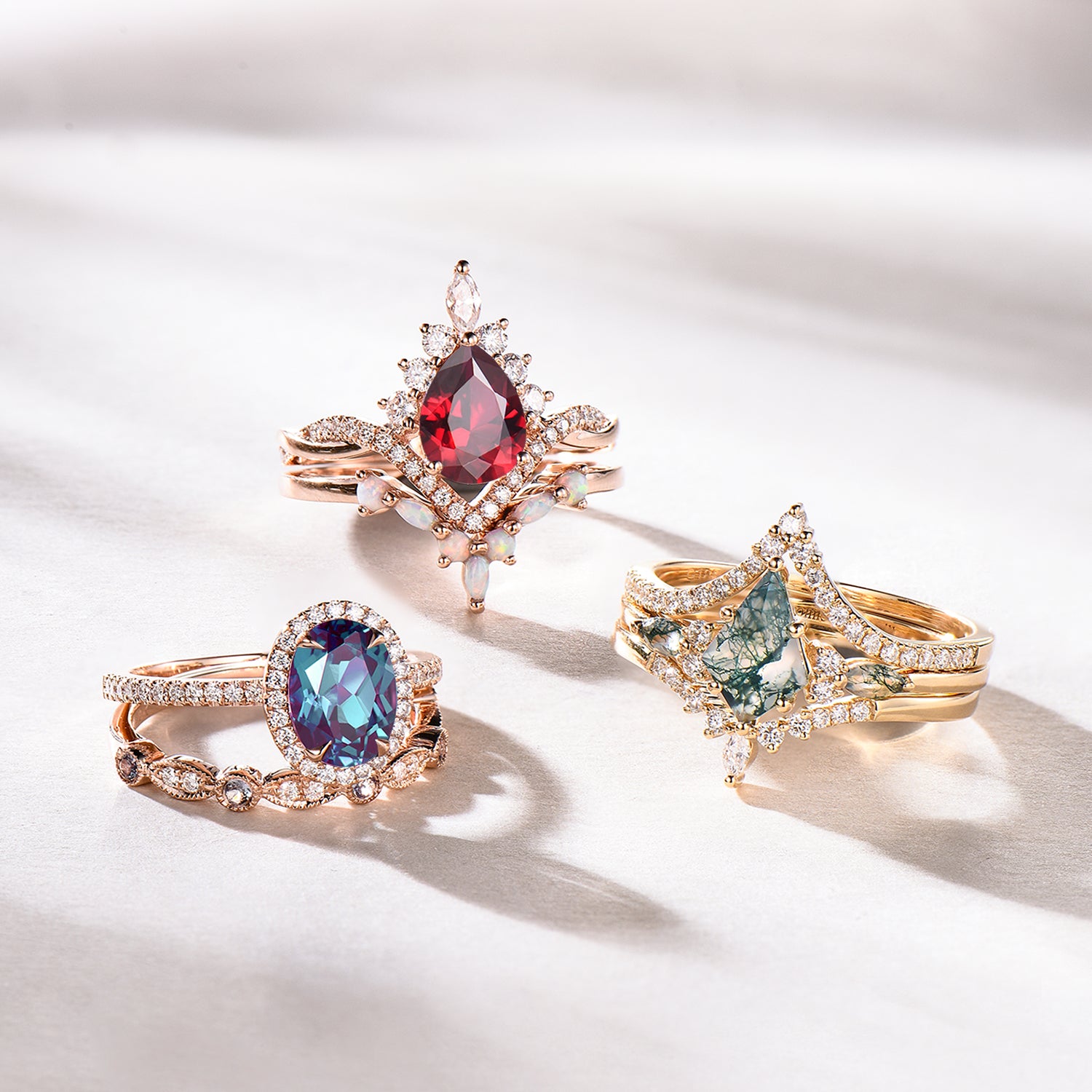
If you’re exploring nature-inspired or vintage-style wedding ring sets, you can browse our collection here:
👉 https://willworkjewelry.com/collections/wedding-ring-set
Our wedding ring sets are designed to balance beauty, comfort, and everyday practicality.
Can You Tell the Difference Just by Looking?
At first glance, sterling silver, white gold, and platinum can appear very similar.
However, there are subtle visual differences:
- Sterling silver often has a brighter, more reflective appearance
- White gold usually has a softer white tone with a polished finish
- Platinum tends to develop a slightly deeper gray-white patina over time
Still, appearance alone is not always enough to accurately identify a metal. The most reliable way is to check:
- Hallmarks or stamps
- Product descriptions
- Material specifications from the jeweler
Final Thoughts
There is no single “best” metal for everyone.
The right choice depends on:
- Your lifestyle
- Your budget
- Your maintenance preferences
- Your personal aesthetic
Understanding the differences between sterling silver, white gold, and platinum helps you make a more confident decision — especially when choosing jewelry designed to last for years to come.
Whether you prefer the accessibility of sterling silver, the versatility of white gold, or the luxury of platinum, the most important thing is choosing a ring that feels right for you and your everyday life.


