






Why 22K Gold Is Not Ideal for Engagement Rings?
What Is 22K Gold?
22K gold(solid gold) contains approximately 91.6% pure gold, making it one of the highest-purity gold alloys used in jewelry. Its rich, deep yellow color is often associated with traditional and cultural jewelry, especially in regions like India and the Middle East.
However, when it comes to engagement rings—which are worn every single day—purity is not the only factor that matters.
According to the Gemological Institute of America, pure gold is naturally soft and must be alloyed with other metals to improve durability. This is where 22K gold starts to fall short.
Why 22K Gold Is Not Suitable for Engagement Rings
1. Too Soft for Daily Wear
Because of its high gold content, 22K gold is significantly softer than lower-karat gold.
-
Easily scratched
-
Prone to dents
-
Loses shape over time
An engagement ring is meant to last a lifetime. With everyday wear—such as typing—can cause visible wear on softer metals.
2. Prongs Loosen Easily (Higher Risk of Stone Loss)
Soft metal means weaker prongs.
This increases the risk of:
-
Loose center stones
-
Falling diamonds or gemstones
-
Frequent maintenance costs
From a structural standpoint, harder alloys provide better gemstone security—especially critical for engagement rings.
3. Ring Band Deformation
22K gold bands can:
-
Warp out of round shape
-
Bend under pressure
-
Feel unstable over time
Due to its softness, 22K gold is more prone to bending, scratching, and losing its shape over time when exposed to everyday activities like gripping objects or accidental bumps.
4. Limited Design Versatility
Because it’s soft, 22K gold:
-
Doesn’t hold intricate settings well
-
Is less suitable for pavé or halo styles
-
Restricts modern design possibilities
If you're looking for detailed craftsmanship, 22K simply isn’t ideal.
🔍Which Is Better: 10K Gold or 14K Gold?
This is one of the most common questions buyers ask.
10K Gold
-
Contains 41.7% gold
-
Very durable
-
More affordable
-
Less rich color
14K Gold (Best Balance)
-
Contains 58.3% gold
-
Strong and durable
-
Beautiful color
-
Ideal for everyday wear
According to industry standards, 14K gold is the most popular choice for engagement rings in the U.S., offering the best balance between durability and luxury.
💎 Why 14K Gold Engagement Rings Are the Smart Choice
When compared to 22K gold, 14k gold engagement rings provide:
✔️ Stronger structure for daily wear
✔️ Secure gemstone settings
✔️ Better scratch resistance
✔️ Long-lasting beauty
✔️ Versatile design options
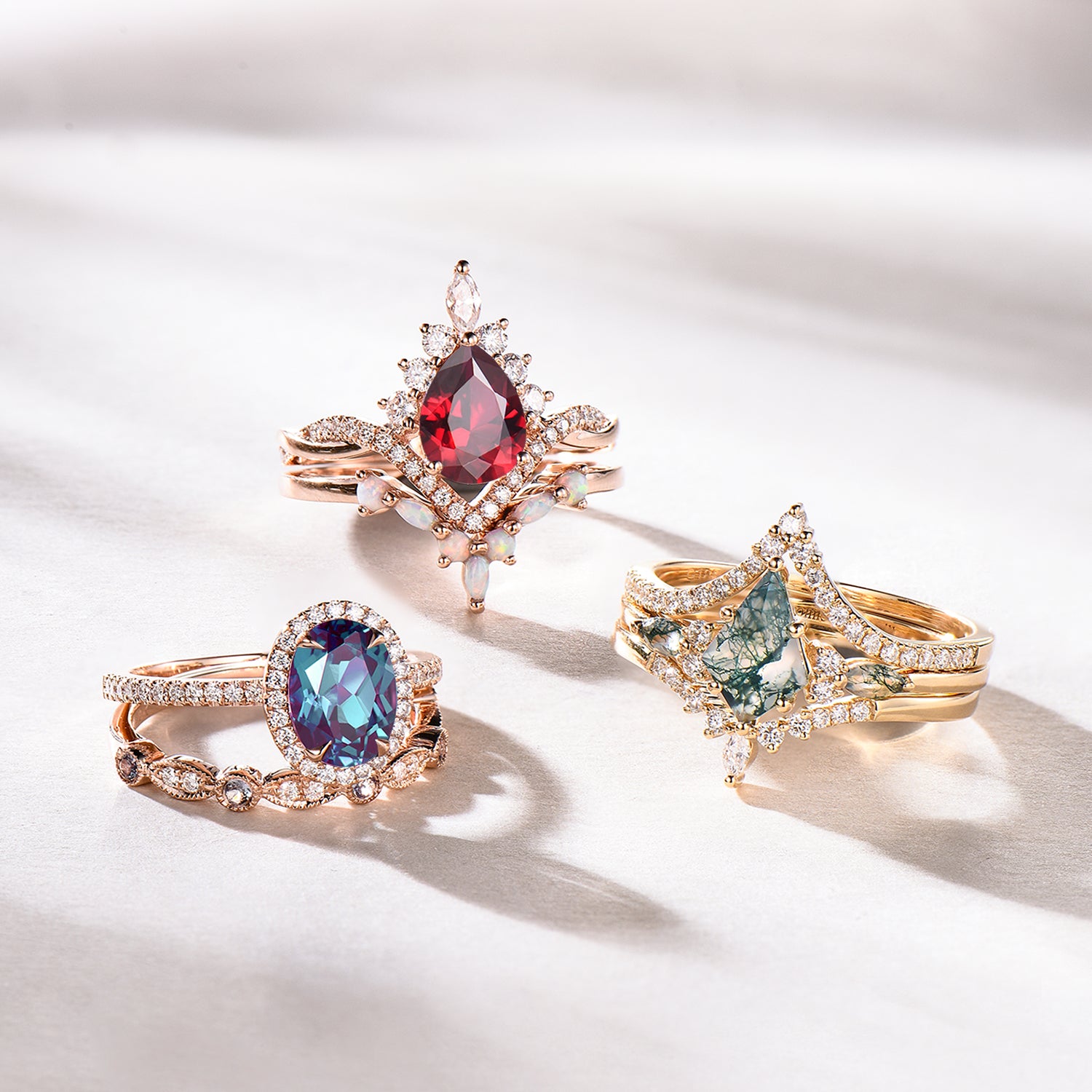
Whether you prefer classic solitaires or intricate vintage styles, 14k gold engagement rings offer both durability and elegance.
👉 Explore our curated collection here: 14K Gold Engagement Rings
📊 What Do Experts Say?
-
The World Gold Council highlights that alloying gold improves hardness and wearability.
-
Jewelry professionals widely recommend 14K or 18K gold for engagement rings due to their structural integrity.
💡 Final Thoughts: Choose Practical Luxury
While 22K gold may seem more “premium” due to its purity, it simply doesn’t meet the practical needs of an engagement ring.
If you want a ring that:
-
Lasts for decades
-
Protects your gemstone
-
Maintains its shape and beauty
Then 14k gold engagement rings are the clear winner.
In fact, most modern couples today choose 14k gold engagement rings because they combine durability, affordability, and timeless elegance—making them ideal for everyday wear.


