






How Hard Is Alexandrite? Everything You Need to Know About Its Mohs Hardness
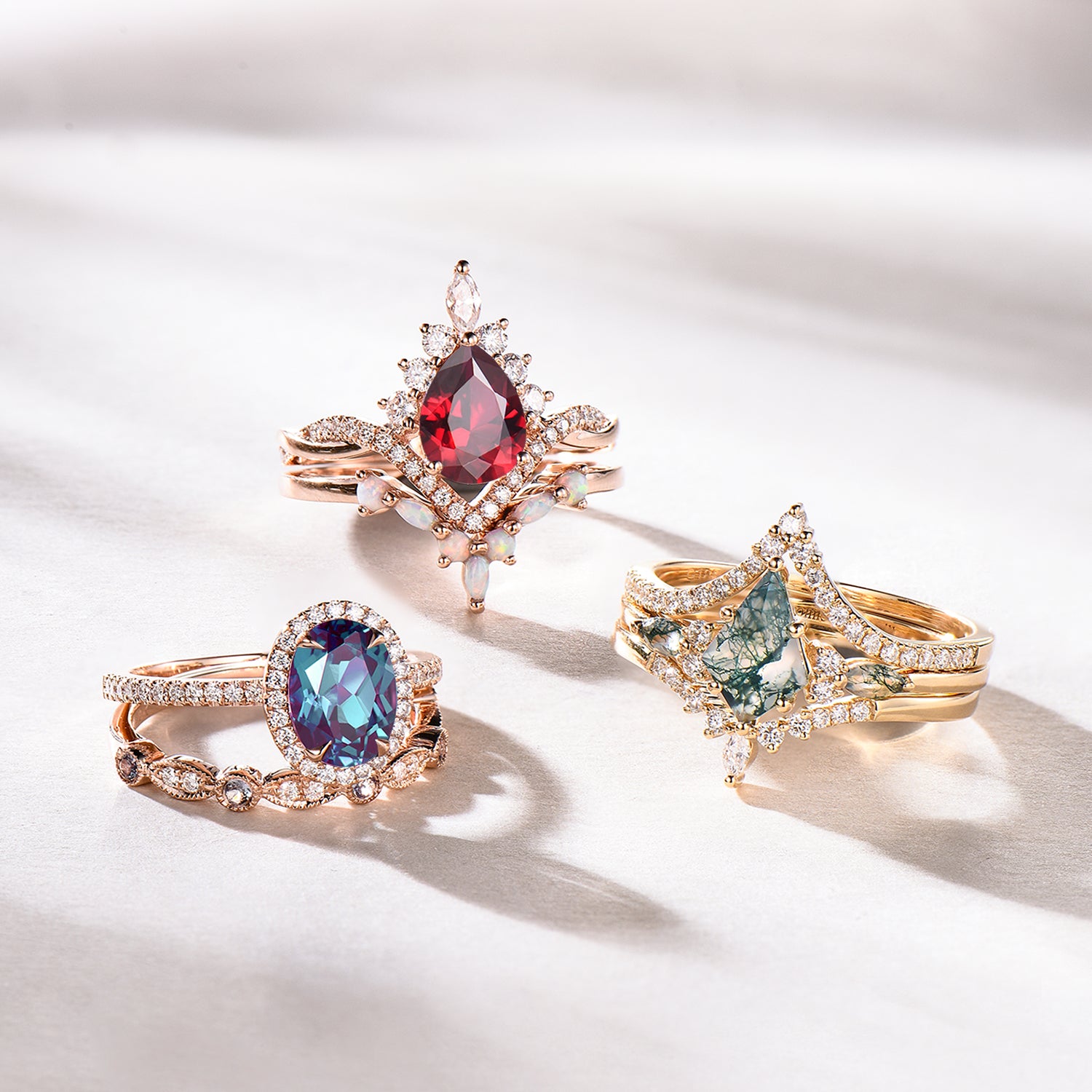
When shopping for rare gemstones—especially for an engagement ring or daily jewelry—color-changing Alexandrite is easily one of the most mesmerizing choices on the market. But beyond its magical shift from emerald green in daylight to ruby red under incandescent light, one crucial question remains for every buyer: How hard is Alexandrite, and will it withstand daily wear?
Understanding a gemstone’s hardness is the key to knowing whether your precious ring will look just as brilliant ten years from today. In this guide, we break down Alexandrite’s Mohs hardness score, compare it to other popular gemstones, and share expert care tips to keep your stone pristine.
What Is the Mohs Hardness of Alexandrite?
Alexandrite scores a 8.5 on the Mohs Hardness Scale.
Created in 1812 by German geologist Friedrich Mohs, the Mohs scale ranks minerals from 1 (softest, like Talc) to 10 (hardest, like Diamond) based on their scratch resistance. Scoring an 8.5 puts Alexandrite in an elite category of exceptionally durable gemstones.
Key Takeaway: Because Alexandrite belongs to the chrysoberyl mineral family, its natural atomic structure makes it inherently tough and highly resistant to surface scratches.

Alexandrite vs. Other Gemstones: How Does It Compare?
To truly appreciate where Alexandrite stands, it helps to compare it with other fine jewelry favorites:
-
Diamond (Mohs 10): Hardest natural substance. Ideal for daily wear.
-
Sapphire & Ruby (Mohs 9): Extremely durable. Great for daily wear.
-
Alexandrite (Mohs 8.5): Highly durable. Excellent for daily wear.
-
Emerald (Mohs 7.5 - 8): Needs extra care due to natural inclusions and tendency to chip.
-
Amethyst / Quartz (Mohs 7): Moderate durability. Can scratch over time.
-
Opal / Moonstone (Mohs 5.5 - 6.5): Soft stone. Requires delicate handling.
Notice that airborne dust contains tiny particles of quartz (hardness 7). Any gemstone rated above a 7 will easily resist micro-scratches from household dust and everyday contact—making Alexandrite an absolute powerhouse for daily wear.
Is Alexandrite Durable Enough for an Engagement Ring?
Yes, absolutely. Alexandrite is one of the top non-diamond choices for engagement rings.
However, when jewelers talk about a gem’s longevity, they look at two distinct properties: Hardness (resistance to scratching) and Toughness (resistance to chipping or cracking).
-
Scratch Resistance: Outstanding. Keys, coins, or table edges will not easily scratch an Alexandrite.
-
Toughness: Great, but not unbreakable. While Alexandrite does not split easily, a hard impact directly against a sharp angle can still chip the facet edges.
How to Care for and Protect Your Alexandrite Ring
Even with an 8.5 hardness rating, proper care ensures your gemstone retains its luster for generations. Follow these simple tips:
1. Cleaning Your Alexandrite
-
Warm Soap & Water: The safest method. Use warm water, mild dish soap, and a soft-bristled toothbrush to gently scrub behind the setting where oils collect.
-
Ultrasonic Cleaners: Generally safe for untreated natural and lab-grown Alexandrites, provided the stone has no visible fracture fillings or heavy inclusions.
2. Smart Daily Habits
-
Remove your ring before heavy weightlifting, gardening, or using household chemicals like bleach and chlorine.
-
Store your Alexandrite jewelry in a fabric-lined pouch separately from diamonds and sapphires, as harder stones can scratch your Alexandrite.
Final Thoughts: Is Alexandrite Right for You?
If you are looking for a gemstone that seamlessly blends heirloom-quality durability with an enchanting, color-shifting personality, Alexandrite is hard to beat. Ranking at 8.5 on the Mohs scale, it easily withstands the rigors of modern daily life while offering a unique alternative to classic diamonds.
Ready to find your dream piece? Explore our handcrafted collection of high-grade Alexandrite rings designed for lifelong beauty.


